Petrol Price in Pakistan Likely to Increase Again
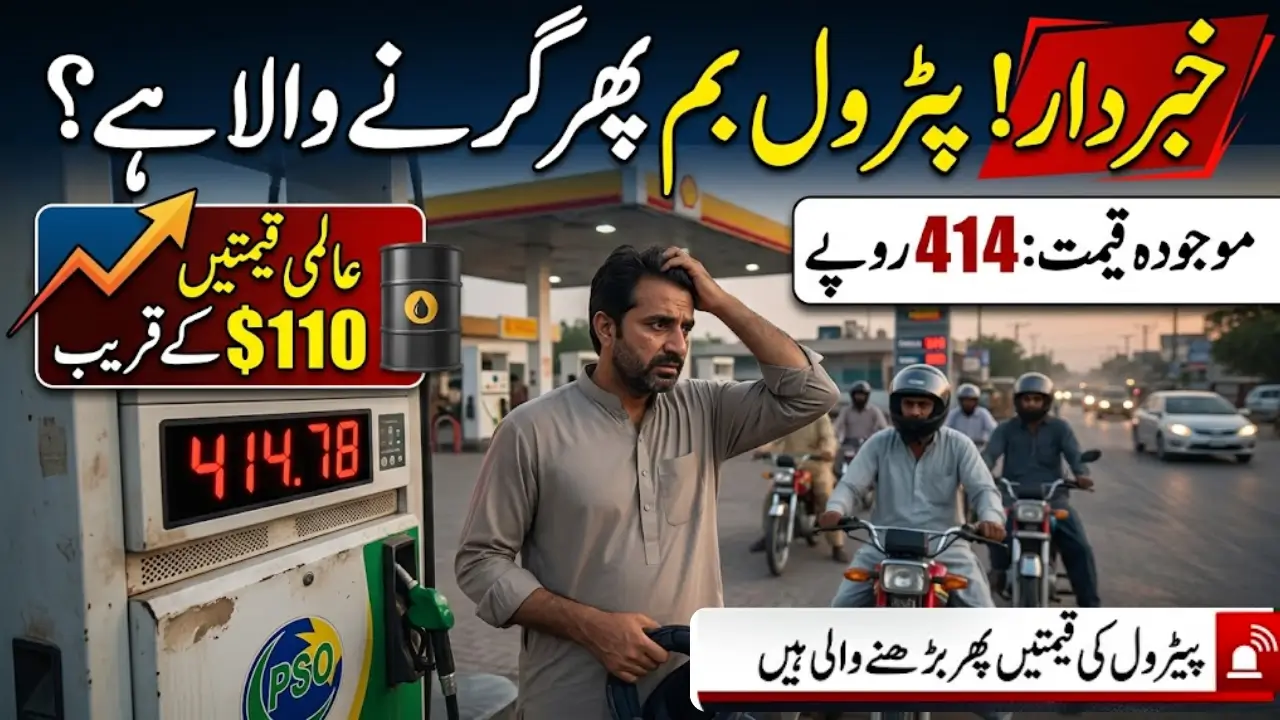
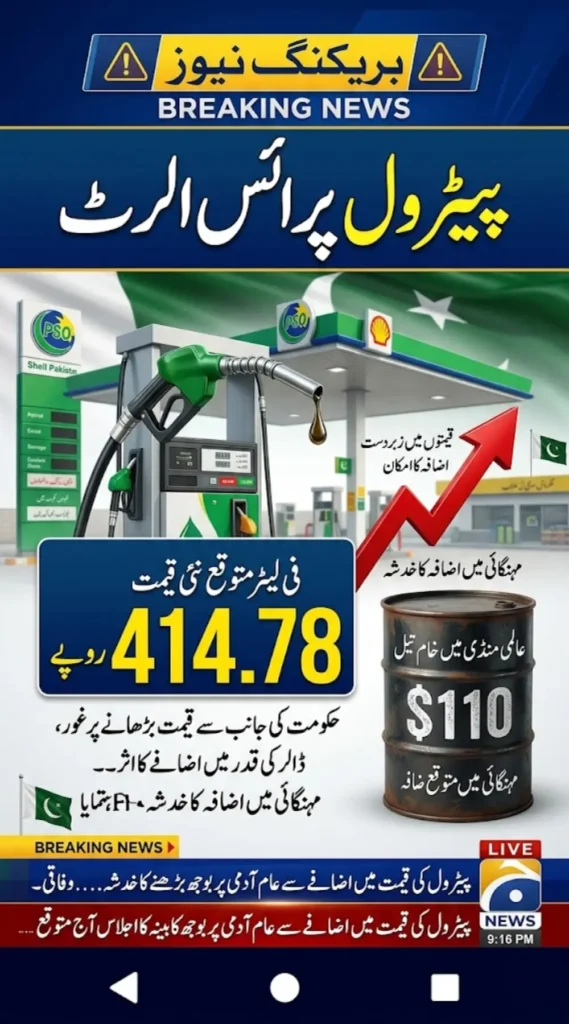
Brent crude oil is quickly moving towards $110 per barrel, raising strong fears of another hike in petrol price in Pakistan. Just after the recent increase, petrol now costs Rs414.78 per litre and high-speed diesel Rs414.58 per litre. Tensions in the Middle East, supply worries, and rising global demand are pushing oil prices higher.
The next fortnightly review is due soon and experts believe both petrol and diesel rates may go up again. This will make transportation fares, grocery prices, farming costs, and daily travel even more expensive. With heavy petroleum levy already hurting households, middle-class families are really worried about fresh inflation. The government is watching global rates closely. Let’s hope for some relief this time.
Current Petrol Price in Pakistan
| Fuel Type | Current Price (Rs. per litre) | Recent Increase |
|---|---|---|
| Petrol | 414.78 | +14.92 |
| High-Speed Diesel | 414.58 | +15.00 |
These rates represent some of the highest levels in recent memory, directly affecting millions of motorcycle commuters, transport operators, and businesses across the country.
Why International Oil Prices Are Surging
Global energy markets remain highly sensitive to developments in key oil-producing regions. Brent crude recently climbed to around $107 per barrel, while West Texas Intermediate (WTI) approached $101. Supply worries, combined with steady global demand, are keeping prices elevated.
Key factors driving the rise include:
- Persistent geopolitical uncertainties in the Gulf region
- Fears of potential disruptions in oil supply chains
- Stronger-than-expected energy demand from recovering economies
- Market reactions to statements from international leaders
- Reduced export stability from major producers
For Pakistan, which imports a significant portion of its petroleum needs, these global trends translate quickly into higher import bills and pressure on local pump prices.
Impact on Daily Life and the Economy
A further increase in petrol price in Pakistan would ripple through every sector. Transportation costs would climb, pushing up the price of essential goods like vegetables, flour, and groceries. Farmers relying on diesel-powered machinery would face higher operational expenses, while industries and logistics companies might pass on additional costs to consumers.
Sectors feeling the heat the most:
- Public and private transport services
- Agriculture and food supply chains
- Manufacturing and small businesses
- Ride-hailing and delivery platforms
- School and office commuting
Ordinary families are already adjusting their routines—cutting non-essential travel, switching to public transport where possible, and carefully monitoring monthly fuel expenses. For many middle and lower-income households, this latest round of increases has made balancing the budget even more challenging.
The Role of Petroleum Levy and Taxes
One major point of public frustration remains the petroleum levy. Even during periods of relative stability in global crude rates, adjustments in taxes and levies have often kept local prices high. The government relies heavily on these revenues, with reports indicating Pakistanis contributed over Rs1.2 trillion in fuel-related taxes in recent months.
While this helps meet fiscal targets, critics argue it adds unnecessary burden when inflation is already high. Economic experts note that fuel price movements now influence everything from electricity tariffs to freight charges, creating a broad inflationary cycle.
What to Expect in the Next Review
The Oil and Gas Regulatory Authority (OGRA) and the federal government conduct price reviews every two weeks, factoring in international crude rates, exchange rate fluctuations, import costs, and levy adjustments. With Brent oil showing no immediate signs of cooling, another upward revision remains a distinct possibility.
Citizens hope for some relief through reduced levies or government subsidies, but the final decision will depend on multiple variables, including the Pakistani rupee’s performance against the dollar and overall economic conditions.
Final Thoughts
The persistent rise in petrol price in Pakistan reflects a complex mix of global crude oil trends, regional tensions, and domestic fiscal policies. While these adjustments help manage the country’s energy imports and revenue needs, they place real strain on everyday Pakistanis trying to cope with rising living costs.
As the next review approaches, many are watching closely for any positive movement in international markets. In the meantime, prudent fuel use, exploring efficient transport options, and staying informed remain the best ways for individuals to navigate this challenging period. Economic stability and relief for ordinary citizens will depend on how both global events and local policy decisions unfold in the coming days.